


Expert Opinion. Based on an article by Ivan Starodubtsev — PhD in Engineering, Associate Professor at the Financial University under the Government of the Russian Federation and federal expert of the Russian Export Center’s Export School — in the journal Russia in Global Affairs.
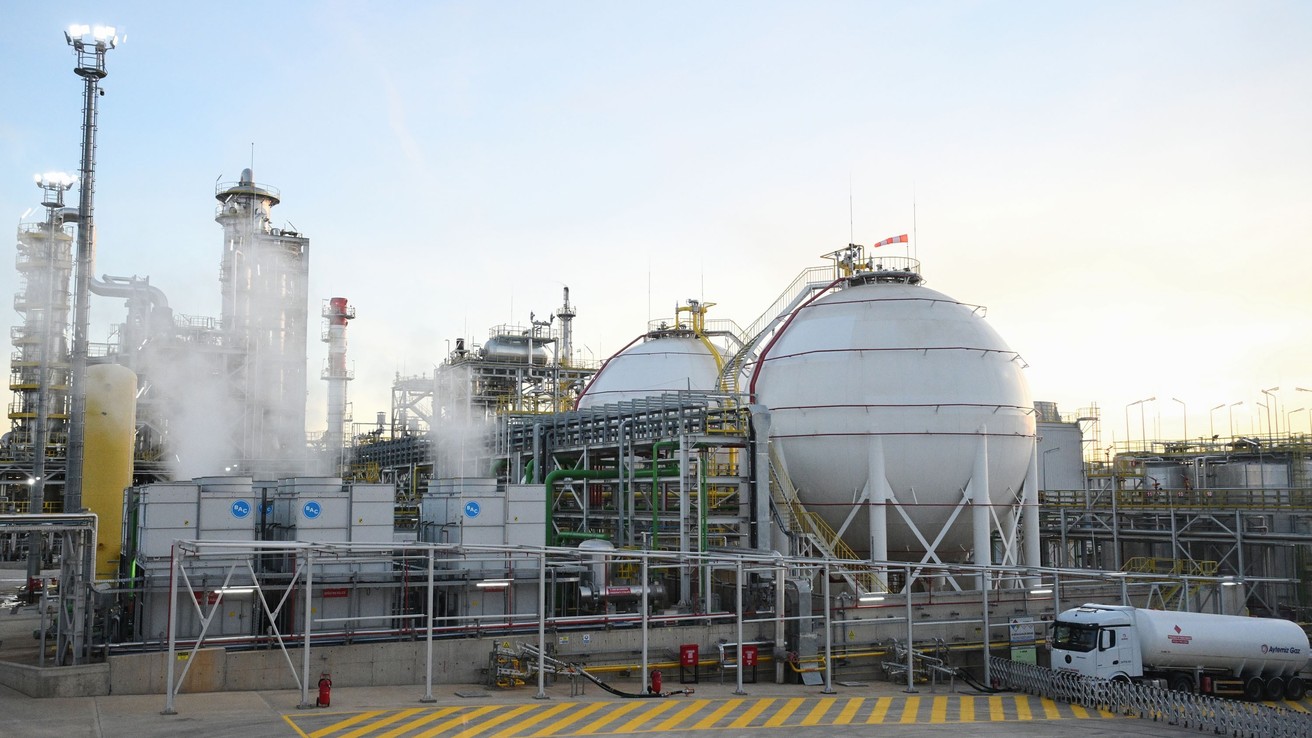
Energy is the foundation of business relations between Russia and Türkiye. Türkiye has almost no oil and gas reserves of its own and buys them abroad, while Russia remains its largest supplier across all major energy sources. Türkiye expert Ivan Starodubtsev has gathered the key figures of this partnership and shown how large it is.
Key points
- In 2024 Russia supplied 21.6 billion cubic metres of the 52.2 billion Türkiye imported — 41% and first place among suppliers.
- Russian crude: 16.9 of 30.02 million tonnes (56%), also first place.
- The share of Russian oil products is even higher: 15.3 of 18.7 million tonnes (82%).
- The Akkuyu nuclear power plant, worth about $25 billion, is Russia’s largest investment in the Turkish economy; once all units are running it will cover about 3–4% of the country’s electricity.
- Türkiye’s economy is growing: GDP rose from $1.36 trillion in 2024 to $1.6 trillion in 2025, while inflation fell to 30.9%.
What share of Türkiye’s energy comes from Russia?
Russia is the No. 1 supplier in all three main categories. Starodubtsev cites 2024 data:
| Energy source | Türkiye’s imports | From Russia | Share |
|---|---|---|---|
| Natural gas | 52.2 bcm | 21.6 bcm | 41% |
| Crude oil | 30.02 mt | 16.9 mt | 56% |
| Oil products | 18.7 mt | 15.3 mt | 82% |
For Türkiye, the author stresses, Russia is “one of the most important partners in energy supply”, covering a significant share of the needs of an importing country. For Russia, Türkiye is a major buyer of gas, oil and oil products.
What is the Akkuyu nuclear plant and how much does it cost?
A special place in the partnership belongs to Akkuyu, Türkiye’s first nuclear power plant, which Russia is building under an intergovernmental agreement of 12 May 2010. It is the largest Russian investment in the Turkish economy — about $25 billion. The plant will have four 1,200 MW units, 4,800 MW in total, and once commissioned is expected, by various estimates, to cover about 3–4% of Türkiye’s electricity needs.
How did the energy cooperation begin?
Starodubtsev recalls that since the late 2000s the current model has been called “multifaceted energy cooperation”. Its basis is a set of documents signed on 6 August 2009: protocols on cooperation in gas, oil, nuclear energy and the peaceful use of atomic energy. They remain relevant today and have been put into practice in concrete projects.
How is Türkiye’s economy doing?
The expert sets out the macroeconomic background. In 2023 the Turkish economy for the first time exceeded its 2013 GDP in dollar terms and has kept growing since: $1.36 trillion in 2024 and $1.6 trillion in 2025. Inflation is gradually easing — from a record 64.8% in 2023 to 44.4% in 2024 and 30.9% in 2025.
One long-term task is the trade balance: imports still exceed exports (by $82 billion in 2024 and $92 billion in 2025), and a significant part of imports is energy. That makes reliable energy supply a question not only for the energy sector but for the economy as a whole.
What it means for business (TRBW comment)
- A stable energy base for industry. Large long-term gas and oil supplies are an important condition for Türkiye’s energy-intensive sectors: metals, chemicals and building materials.
- Akkuyu has a long supply chain. Building and operating the plant creates demand for contractors, equipment suppliers, logistics, staff training and services for years to come.
- Lower inflation helps planning. The lower inflation goes, the easier it is for companies to price products, contracts and investments in Türkiye.
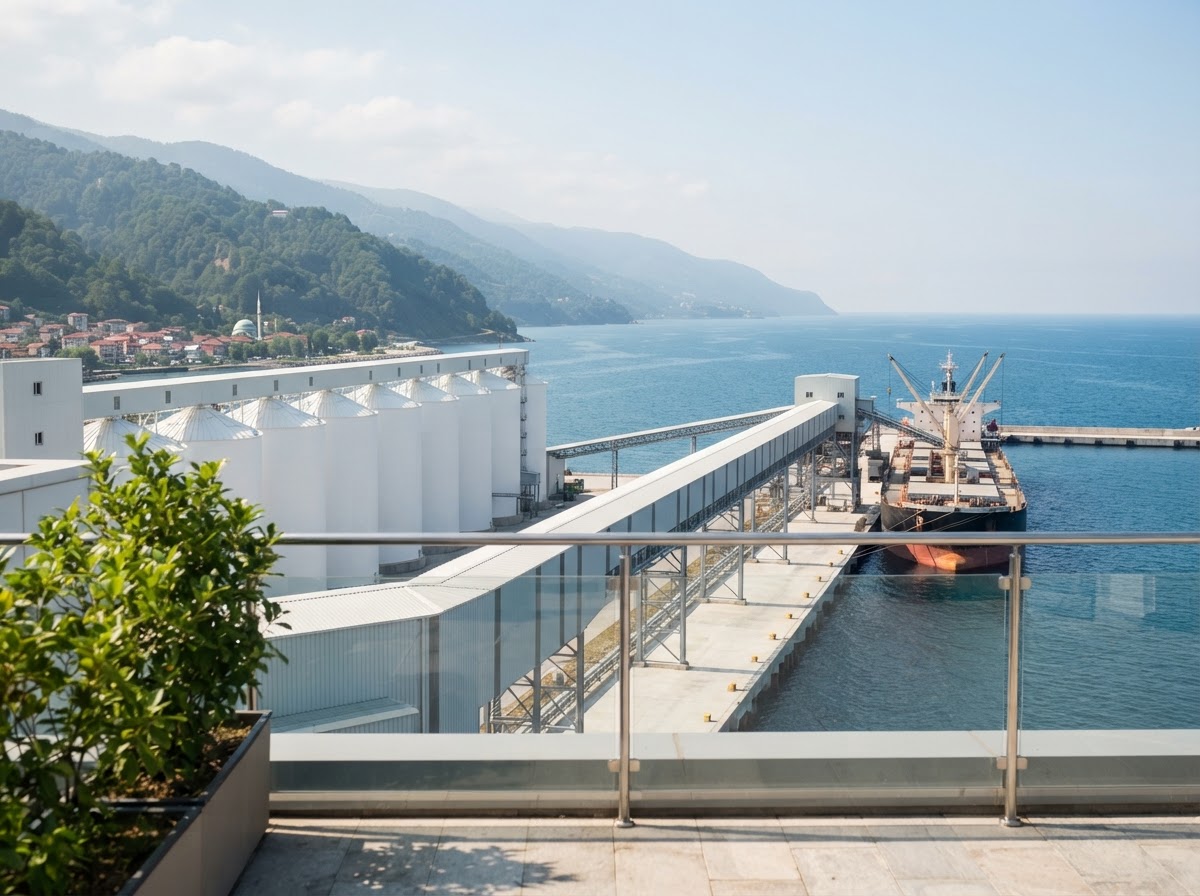
- Energy logistics. Supply volumes keep ports, terminals and pipeline infrastructure busy — along with the service companies around them.
FAQ
How much gas does Türkiye buy from Russia?
As of the end of 2024, 21.6 billion cubic metres out of 52.2 billion imported, or 41% — first place among suppliers.
What is Russia’s share in Türkiye’s oil imports?
56% of crude oil (16.9 of 30.02 million tonnes) and 82% of oil products (15.3 of 18.7 million tonnes) in 2024.
How much does the Akkuyu nuclear plant cost?
About $25 billion. It is Russia’s largest investment in the Turkish economy.
Who is Ivan Starodubtsev?
PhD in Engineering, Associate Professor at the Financial University under the Government of the Russian Federation and federal expert of the Russian Export Center’s Export School, with many years of experience in the Turkish market.
Source
Ivan Starodubtsev, article in Russia in Global Affairs, 1 May 2026 — read the original (in Russian).
This article is for information purposes only. The expert’s views may not reflect the position of the TRBW editorial team. Figures are as given in the article on its publication date.