
Фото: government.ru, CC BY 4.0
26–27 November 2026 were among the busiest days of the year for Russia–Türkiye economic relations. On 26 November, Türkiye’s first maleic anhydride plant opened in the GEBKİM chemical industrial zone in Kocaeli — a project originally launched by Russia’s Tatneft and built with engineers and technologists from Tatarstan. On 27 November, Istanbul hosted the 20th meeting of the Russia–Türkiye Intergovernmental Commission and the Russia–Türkiye Business Forum: the sides signed a final protocol, confirmed their goal of USD 100 billion in annual trade and agreed that Türkiye will be the guest country of SPIEF 2027.
This guide is for entrepreneurs and investors: what plant opened in Türkiye, how Tatneft is connected to it, why Türkiye needs maleic anhydride, which trade and investment figures were announced in Istanbul, which sectors were named as priorities, and what it all means for companies working between Russia and Türkiye.
Key takeaways
- On 26 November 2026, TN Maleik Petrokimya A.Ş. opened Türkiye’s first maleic anhydride plant in GEBKİM (Dilovası, Kocaeli province), with a capacity of 50,000 tonnes per year. Trade Minister Ömer Bolat put the investment at USD 330 million (about TRY 17 billion).
- The plant is expected to cover up to 90% of Türkiye’s demand. Until now the country relied entirely on imports: about USD 60 million a year and around USD 420 million over five years.
- Tatneft initiated the project but said in May 2026 that it had exited. At the opening, Tatarstan’s role was described as technological and engineering support; the Russian government called the plant a Russian–Turkish production facility.
- On 27 November, Russian Deputy Prime Minister Alexander Novak and Ömer Bolat signed the final protocol of the 20th Intergovernmental Commission. Bilateral trade is about USD 50 billion a year (USD 49.2 billion in 2025); the target is USD 100 billion.
- Türkiye will be the guest country of the 30th St. Petersburg International Economic Forum (SPIEF) on 16–19 June 2027, and the next intergovernmental economic meeting has been proposed for Kazan.
Türkiye’s first maleic anhydride plant
What opened in Türkiye on 26 November 2026?
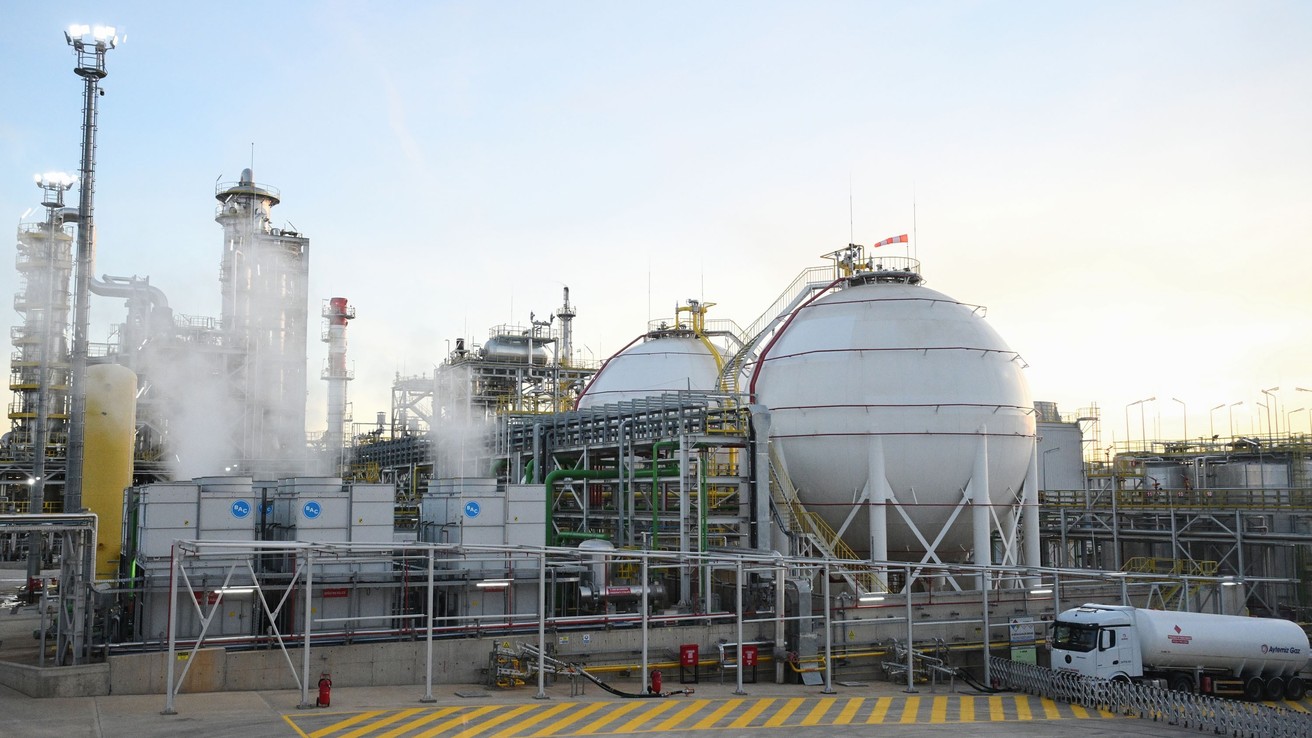
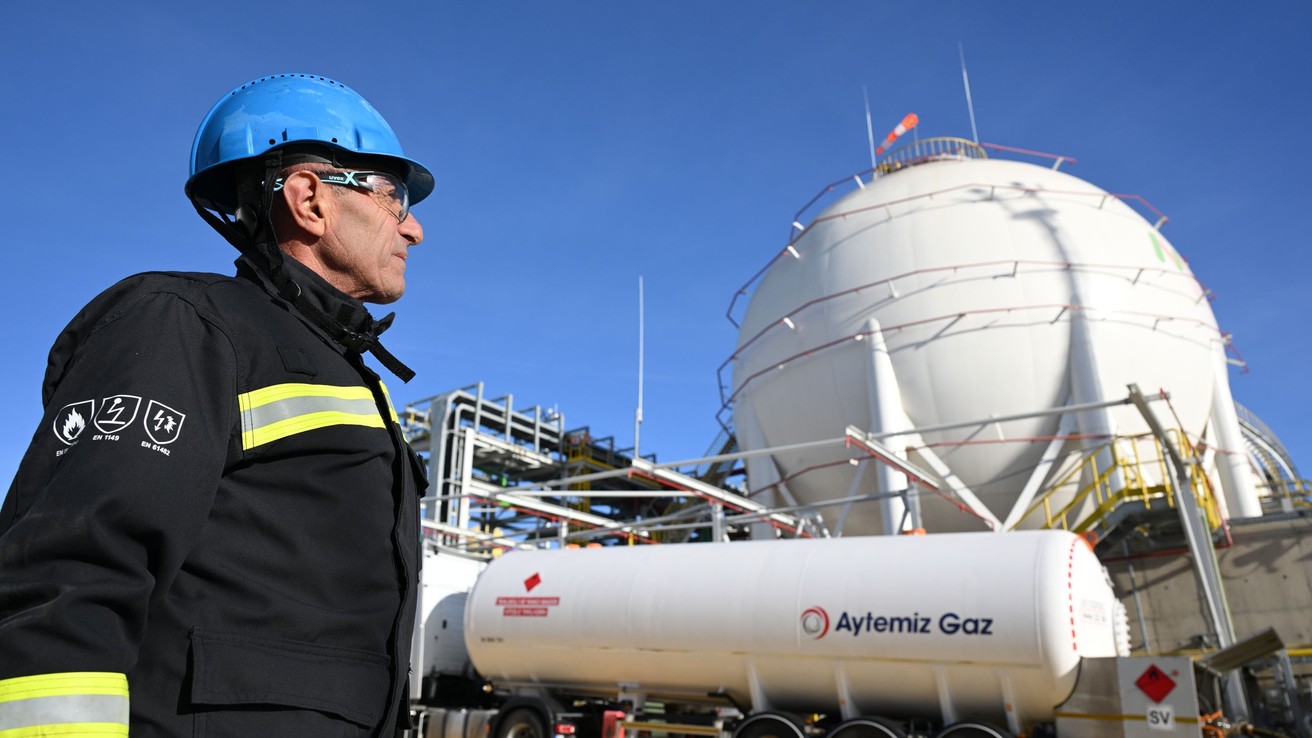
Türkiye’s first maleic anhydride (maleik anhidrit) plant, with a capacity of 50,000 tonnes per year. The operator is the Turkish company TN Maleik Petrokimya A.Ş.; the site is GEBKİM, a specialised chemical organised industrial zone (OSB) in the Dilovası district of Kocaeli province, on the eastern edge of the Istanbul metropolitan area. The feedstock is n-butane, according to the company’s documents.
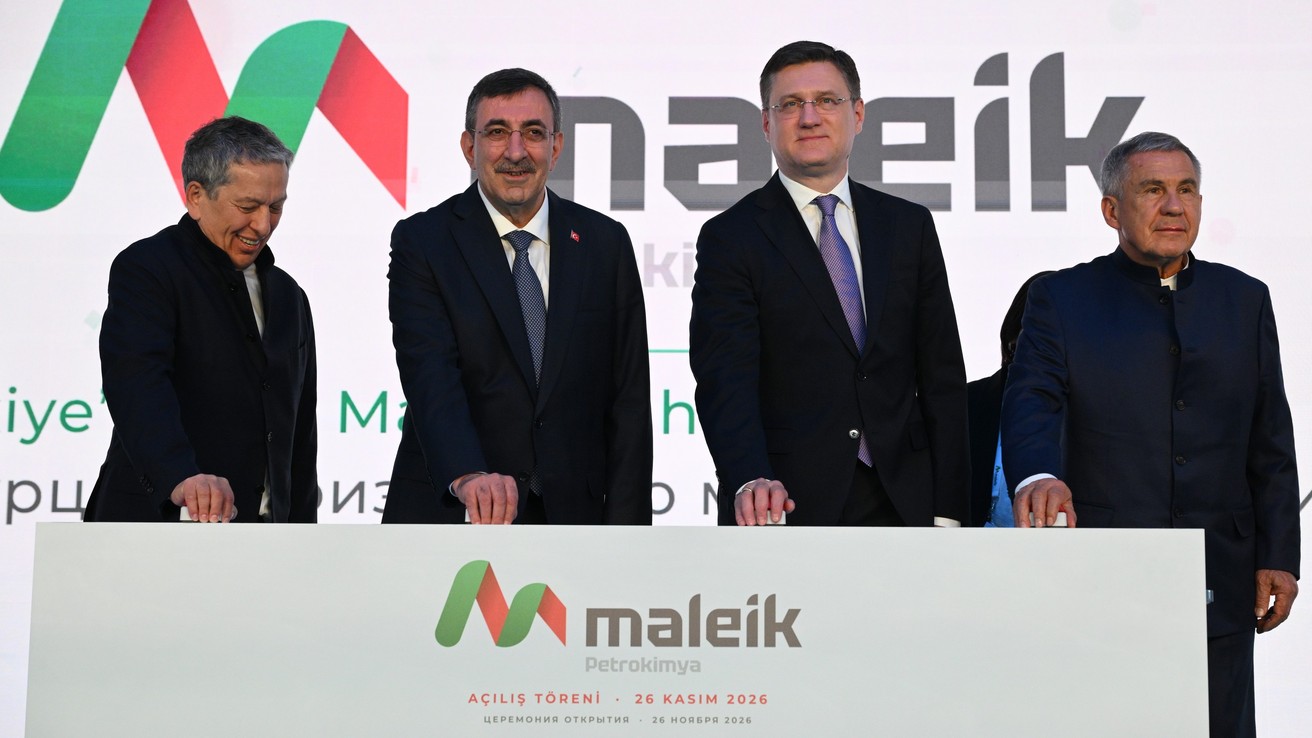
The ceremony was attended by Russian Deputy Prime Minister Alexander Novak, Rais of Tatarstan Rustam Minnikhanov, Head of Karachay-Cherkessia Rashid Temrezov, Vice President of Türkiye Cevdet Yılmaz, Minister of Industry and Technology Mehmet Fatih Kacır and Trade Minister Ömer Bolat. The plant produced its first batch in September 2026; it passed industrial trials at Turkish manufacturers, and more than 3,000 tonnes have already been shipped to customers.
What is GEBKİM and why was the plant built there?
GEBKİM (Gebze Kimya İhtisas Organize Sanayi Bölgesi) is Türkiye’s first organised industrial zone dedicated to chemicals. According to Industry Minister Kacır, it covers 247 hectares and its companies employ more than 3,500 people. It is home to producers of construction chemicals, polymers and household chemicals — exactly the kind of customers that use maleic anhydride.
A specialised zone suits chemical production: ready infrastructure, safety requirements designed for chemicals, and a location in Türkiye’s largest industrial belt, Istanbul–Kocaeli, with access to Marmara Sea ports. For a foreign investor, OSB status also means clear rules for obtaining a plot and access to the investment incentive system (see our guide Investment Incentives in Türkiye 2026).
Why does Türkiye need maleic anhydride?
It is a basic feedstock for the chemical industry. According to the Russian government, it is used in composite materials, paints and coatings, construction chemicals, packaging and detergents, in food production and in mechanical engineering. In Türkiye, with its strong construction, paint, shipbuilding and auto parts sectors, it is a high-volume input.
Maleic anhydride had never been produced in Türkiye; all demand was met by imports. According to Bolat, the country imported about USD 420 million worth over five years, roughly USD 60 million a year. Vice President Yılmaz said the plant will cover up to 90% of domestic demand, reduce imports and create new jobs (no official job figure was given). The project holds strategic investment status by presidential decree and received a state incentive package in 2022.
| Where maleic anhydride is used | Turkish sectors affected |
|---|---|
| Composites, polyester resins | Fibreglass, shipbuilding, pipes, auto parts |
| Paints and coatings | Paint and varnish producers, furniture |
| Construction chemicals | Construction, building materials |
| Packaging and detergents | Household chemicals, FMCG |
| Food production and engineering | Food industry, machinery |
What makes the plant technologically different?
According to the Russian government, the plant was designed to save energy: heat released during the production process will be used to generate electricity, with a design output of 127.3 million kWh a year. In Turkish industry, where energy is one of the main cost items, this is a notable advantage for production costs.
How is Tatneft connected to the plant?
Short answer: Tatneft conceived and launched the project, but had exited it by the time the plant opened. Minister Bolat referred to Tatneft as the investor at the ceremony, while Russian sources describe the company’s role differently, so this point deserves careful reading.
The timeline: in 2018 Tatneft added maleic anhydride production to its plans, initially at a site in Tatarstan based on the Minnibaevo gas processing plant. In 2020 the company obtained a permit for the unit. In June 2021, during Minnikhanov’s visit to Türkiye, Tatneft signed a memorandum with Türkiye’s Ministry of Industry and Technology, and the project moved to GEBKİM. In December 2021 Tatneft suspended the Russian part of the plan in Tatarstan, while the Turkish project went ahead. Construction started in 2022, with completion expected in 2024. In May 2026, Azat Bikmurzin, director of Tatneft’s petrochemical complex, confirmed to Interfax that the company had left the project, without giving reasons.
At the opening, Minnikhanov stressed that technologists and engineers from Tatarstan took part and that the project was launched six years ago. Novak said the start-up lays the groundwork for joint projects in deep processing of raw materials and higher value-added products: Russian companies can offer components, technology and production expertise, while Türkiye has a developed industry, skilled specialists and convenient transport infrastructure.
| Year | Project milestone |
|---|---|
| 2018 | Tatneft adds maleic anhydride to its plans (site in Tatarstan) |
| 2020 | Permit obtained for the production unit |
| June 2021 | Tatneft memorandum with Türkiye’s Ministry of Industry; project moves to GEBKİM |
| December 2021 | Tatneft suspends the Tatarstan project; the Turkish one continues |
| 2022 | Construction begins; TN Maleik Petrokimya A.Ş. set up; state incentive package |
| May 2026 | Tatneft announces its exit from the project |
| September 2026 | First batch produced and tested by Turkish customers |
| 26 November 2026 | Official opening |
What does the plant mean for business?
For Turkish buyers. Producers of resins, paints, fibreglass and construction chemicals gain a local supplier: shorter logistics, smaller inventories, pricing in lira, less currency and customs risk.
For importers and traders. Companies selling maleic anhydride to Türkiye face a much smaller market: if the plant reaches the stated 90%, imports will become a niche for special grades and peak demand.
For engineering and service companies. The project shows that technology partnership in Turkish industry can work even without an equity stake: equipment, components, engineering and staff training.
For investors. It is an example of how Türkiye backs import-substitution projects in chemicals: strategic status, an incentive package and a site in a specialised OSB.
Russia–Türkiye Business Forum and Intergovernmental Commission in Istanbul
What happened in Istanbul on 27 November 2026?
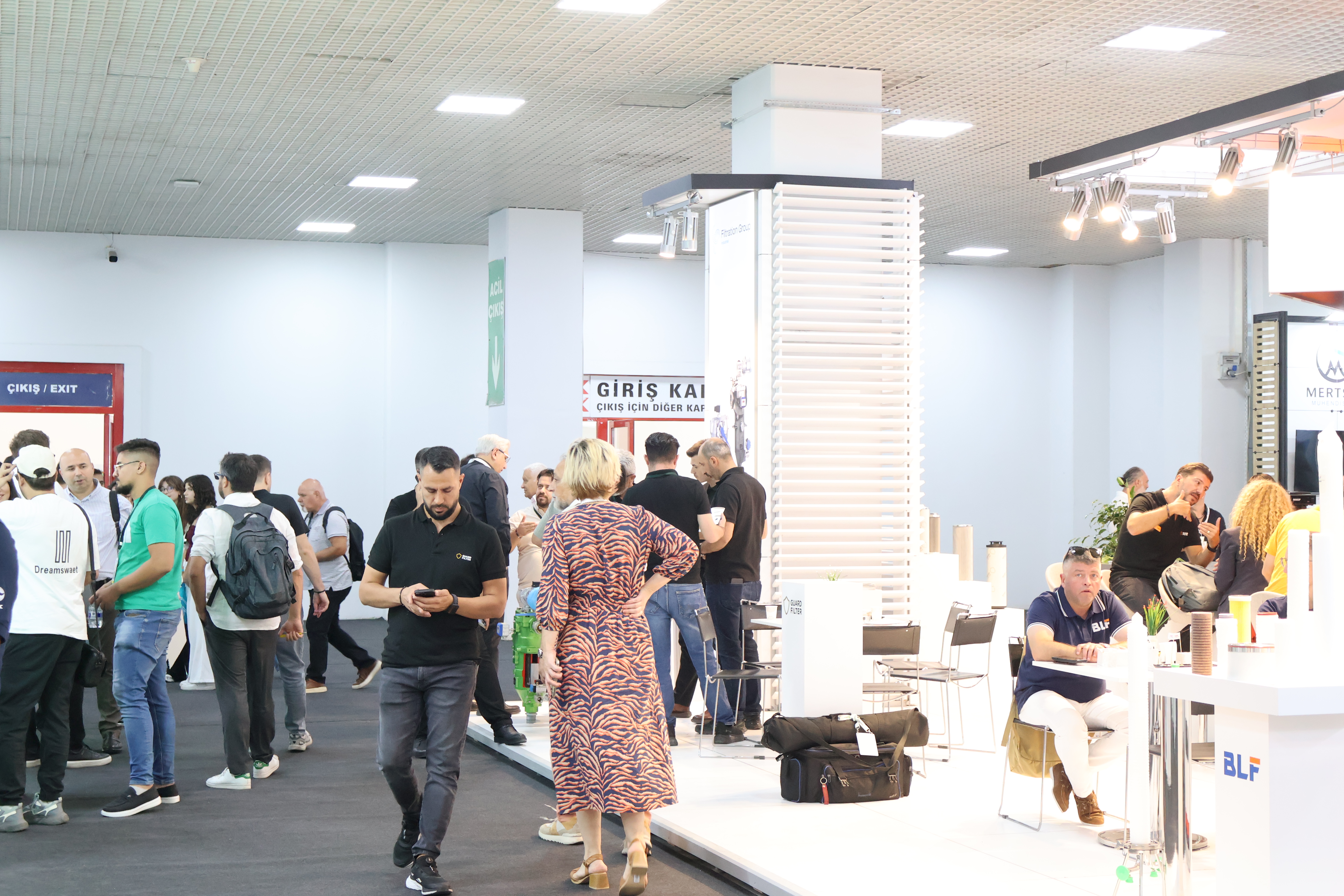
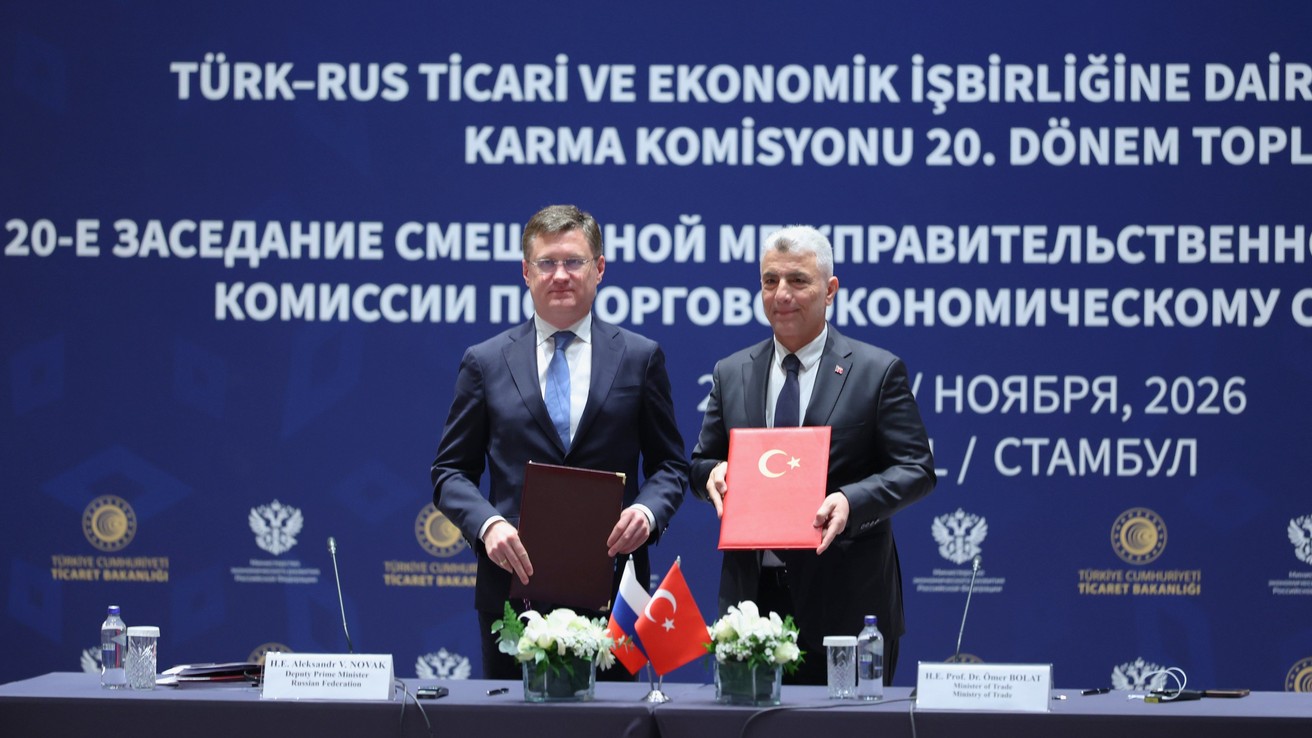
The 20th, anniversary meeting of the Russia–Türkiye Joint Intergovernmental Commission on Trade and Economic Cooperation (known in Türkiye as KEK, Karma Ekonomik Komisyon) and the Russia–Türkiye Business Forum held alongside it. The commission is co-chaired by Alexander Novak and Ömer Bolat. The forum was organised by Türkiye’s Foreign Economic Relations Board (DEİK) and the Roscongress Foundation with the support of both countries’ trade and economy ministries. The programme included a panel on economic partnership and new opportunities, and a B2B matchmaking session.
At the commission meeting, the sides discussed conditions for mutual investment, reviewed the work of sectoral working groups and aligned their approaches to the bilateral trade targets. A final protocol was signed; according to Turkish sources, it covers transport, industry, energy, tourism and agriculture. Published reports do not mention specific project amounts or deadlines, and the full text has not been released.
What is the Russia–Türkiye Intergovernmental Commission?
It is the main working mechanism of economic cooperation between the two countries: at its meetings the governments review trade, investment and major projects, while sectoral working groups prepare decisions on energy, transport, agriculture, industry and tourism. For business, the commission’s protocol signals which topics will get ministry support in the coming year.
| Meeting | Where and when | Highlights |
|---|---|---|
| 18th | Ankara, November 2023 | Record tourism figures |
| 19th | June 2025 | Goal of USD 100 billion in trade |
| 20th | Istanbul, 27 November 2026 | Final protocol, SPIEF 2027, next meeting in Kazan |
How big is Russia–Türkiye trade?
About USD 50 billion a year. According to Anadolu Agency, trade fell 6.5% in 2025 to USD 49.2 billion from USD 52.6 billion in 2024. Both sides confirmed the USD 100 billion target. Bolat said 2027 should bring faster growth and tied the target to business investment and trade volumes.
TÜİK will publish January–October 2026 data on 30 November. For January–September, Anadolu puts bilateral trade at about USD 32.6 billion, with Türkiye’s imports from Russia at USD 27.96 billion according to TÜİK. Russian supplies are dominated by energy, grain and fertilisers; Türkiye sells food, auto parts, textiles, chemicals, furniture and building materials to Russia.
Russia is Türkiye’s third-largest trading partner. At the commission, Novak said Türkiye ranks second in trade turnover with Russia, third by Russian exports and fifth by imports; for the first nine months of 2026, TRT reports it ranked fourth among Russia’s partners.
| Indicator | Value | Source |
|---|---|---|
| Bilateral trade, 2024 | USD 52.6 bn | Anadolu |
| Bilateral trade, 2025 | USD 49.2 bn (−6.5%) | Anadolu |
| Bilateral trade, Jan–Sep 2026 | about USD 32.6 bn | Anadolu, TÜİK |
| Trade target | USD 100 bn a year | Bolat, Novak |
| Mutual direct investment | about USD 10 bn (CBRT stock data, end-2024: USD 5 bn Russian in Türkiye, USD 1.6 bn Turkish in Russia) | Turkish Trade Ministry, CBRT |
| Russian companies in Türkiye | about 3,000 | Turkish Trade Ministry |
| Turkish companies in Russia | about 1,300 | Turkish Trade Ministry |
| Turkish contractors’ projects in Russia | 2,190 worth USD 103 bn | Turkish Trade Ministry |
| Agri-food trade, 9M 2026 | +12% (Russian exports +17%) | Novak |
| Russian tourists in Türkiye, 2025 | almost 7 million | Novak |
| GEBKİM plant capacity | 50,000 t a year | TN Maleik, Bolat |
| Investment in the plant | USD 330 m | Bolat |
Is the USD 100 billion target realistic?
Short answer: it is a benchmark, not a forecast. Reaching USD 100 billion would require roughly doubling trade from its 2025 level, and in 2025 trade actually declined. Neither side has named a deadline.
Minister Bolat sees diversification as the path: trade should rest not only on energy but also on industrial goods, food and joint production. Novak made the same point: trade, mutual investment and joint production still have room to grow, and companies can turn that into new contracts. The practical takeaway: plan on actual contracts, not target figures, but watch the sectors governments have named as priorities — that is where support programmes and trade missions will appear.

What do Russian companies do in Türkiye, and Turkish companies in Russia?
According to Novak at the business forum, Russian companies work in Turkish energy, metallurgy, automotive and petrochemicals. Turkish companies produce auto parts and building materials in Russia and take part in major construction projects. The Turkish Trade Ministry counts about 3,000 companies with Russian capital in Türkiye and about 1,300 Turkish companies in Russia.
Construction stands out: Russia remains the country where Turkish contractors have completed the most projects — 2,190 projects worth USD 103 billion. Tourism is another major area: almost 7 million Russian tourists in 2025, making Russia the largest source market for Türkiye, with Russian airlines carrying more than 6.5 million passengers between the two countries.
Which sectors were named as priorities?
Bolat listed the product groups where Türkiye wants to grow exports to Russia: agri-food, automotive, chemicals, textiles and apparel, furniture and construction materials. He also spoke about joint projects where Turkish capacity processes Russian raw materials, grain and energy, about simpler customs procedures and about e-commerce.
Novak highlighted several areas.
- Agriculture. Agri-food trade grew 12% in the first nine months of 2026, with Russian exports up 17%. Russian fertiliser supplies to Türkiye almost doubled in 2025, and the agriculture ministries signed a fertiliser memorandum in September 2026. Türkiye remains the largest buyer of Russian grain. Next steps: long-term contracts and joint processing projects.
- Energy. Gas supplies via Blue Stream and TurkStream, as well as oil and petroleum products, continue. According to Novak, Gazprom’s contract with BOTAŞ has been extended for three years and Novatek has signed an LNG supply contract. At the Akkuyu nuclear power plant, work is under way on all units, and the sides stressed the need to complete the project as soon as possible. Russia is ready to support Türkiye in becoming a regional energy trading hub.
- Digital economy. E-commerce and digital logistics services, which, Novak stressed, should also be accessible to small businesses.
- Tourism and education. Tourist flows, education programmes and training of specialists, including for the nuclear industry.
- New areas. Healthcare and pharmaceuticals, logistics and sport.
What comes next: SPIEF 2027 and Kazan
Novak announced that Türkiye will be the guest country of the 30th, anniversary SPIEF on 16–19 June 2027. For comparison, the guest country in 2026 was Saudi Arabia and in 2025 Bahrain. Guest-country status usually means a national pavilion, a dedicated business programme and a larger business delegation.
The next intergovernmental meeting on trade and economy has been proposed for Kazan in 2027. For companies, these are the two nearest windows for a Turkish national pavilion, B2B meetings and project talks.
What companies should do
- Chemicals and manufacturing. Buyers of maleic anhydride in Türkiye should ask TN Maleik Petrokimya for supply terms and compare them with imports. Suppliers from other countries should reassess the Turkish market in light of local production.
- Exporters to Russia. Check your products against Bolat’s list (food, auto parts, chemicals, textiles, furniture, construction materials): these groups are likely to get state support and DEİK B2B events.
- Investors in Türkiye. If your project substitutes imports, check whether it qualifies for strategic status and incentives, as the GEBKİM plant did. Also factor in the revaluation of taxes and fees from 2027 — see our analysis of the 27.83% rate.
- Agribusiness. Watch for long-term grain and fertiliser contracts and processing projects: this is where trade is growing fastest.
- Events. Plan for SPIEF on 16–19 June 2027 and watch for the Kazan meeting announcement.
- Payments and paperwork. The USD 100 billion goal is still a goal: trade fell in 2025. Plan volumes on actual contracts and sort out the banking and settlement setup in advance.
FAQ
Where is Türkiye’s new maleic anhydride plant?
In the GEBKİM chemical industrial zone in Dilovası, Kocaeli province, near Istanbul. The operator is TN Maleik Petrokimya A.Ş.
Is it a Tatneft plant?
Tatneft started the project but said in May 2026 that it had exited. At the opening, Tatarstan’s role was described as the work of its technologists and engineers, while Minister Bolat referred to Tatneft as the investor. The ownership structure at the time of opening has not been officially disclosed.
How much did the plant cost and what is its capacity?
USD 330 million according to Ömer Bolat; capacity is 50,000 tonnes a year, or up to 90% of Türkiye’s demand.
What is maleic anhydride used for?
Composites and polyester resins, paints and coatings, construction chemicals, packaging, detergents, food production and mechanical engineering.
How big is Russia–Türkiye trade?
About USD 50 billion a year; USD 49.2 billion in 2025 (−6.5%) and about USD 32.6 billion in January–September 2026. The target is USD 100 billion.
What was signed on 27 November?
The final protocol of the 20th Intergovernmental Commission on Trade and Economic Cooperation, covering transport, industry, energy, tourism and agriculture. The full text has not been published.
How many Russian companies operate in Türkiye?
About 3,000, according to the Turkish Trade Ministry. About 1,300 Turkish companies operate in Russia.
When is SPIEF with Türkiye as guest country?
16–19 June 2027 in St. Petersburg; it is the 30th, anniversary edition.
Where will the next economic meeting take place?
The next intergovernmental meeting has been proposed for Kazan in 2027; no date has been announced yet.
Sources
- Government of Russia: plant opening, 26.11.2026
- Government of Russia: 20th Intergovernmental Commission, 27.11.2026
- Government of Russia: Russia–Türkiye Business Forum, 27.11.2026
- Ministry of Trade of Türkiye, 27.11.2026
- TRT Russian, 27.11.2026
- Anadolu Agency, 27.11.2026
- Interfax, 27.11.2026
- Tatar-inform, 26.11.2026
- Business Online, 26.11.2026
- Alta-Soft / TASS, 26.11.2026
- Interfax via Smart-Lab, 15.05.2026
- Fontanka, 27.11.2026
Prepared on 27 November 2026 for information purposes only. Figures are based on statements by officials and media reports; the plant’s ownership structure had not been officially disclosed at the time of publication. Photos: Government of Russia website government.ru, Creative Commons Attribution 4.0 licence.