
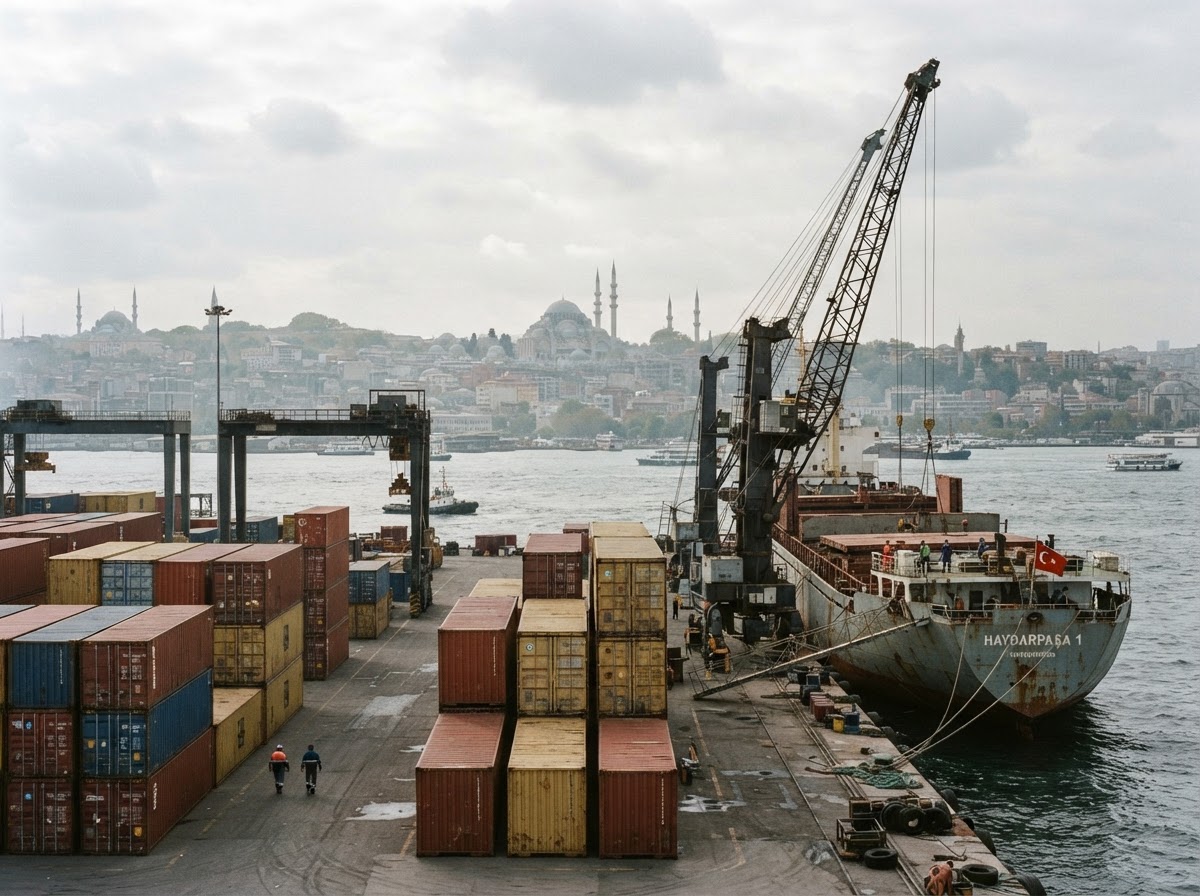


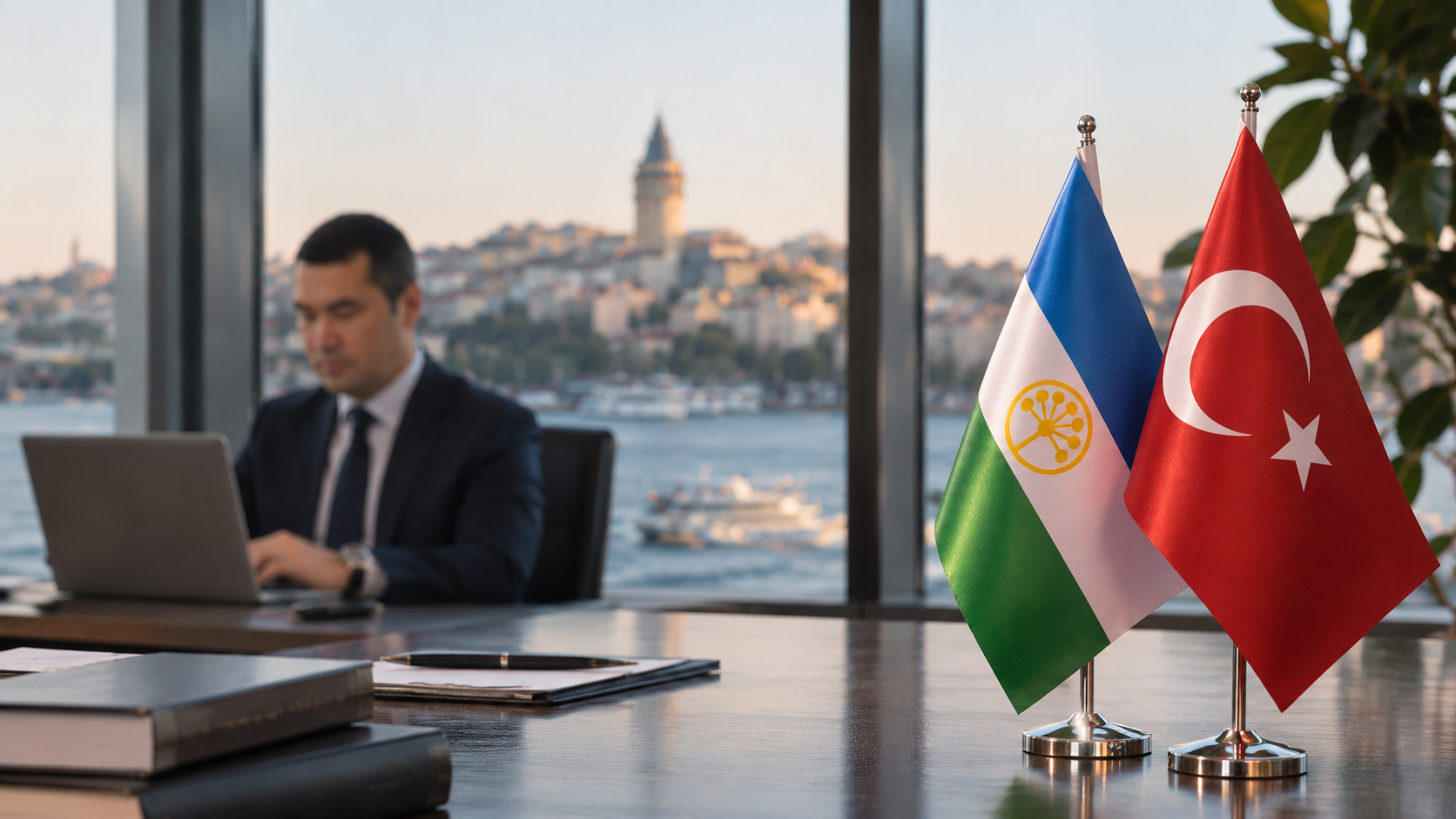
From International Relations to Practical Business Opportunities
For companies exploring international expansion, identifying a promising market is only the beginning. Finding reliable partners, understanding local business practices, navigating regulatory requirements and establishing contact with the right institutions can be considerably more challenging. These factors are particularly important when entering a large and geographically diverse market such as Russia, where economic conditions, industrial specialisations and investment opportunities vary significantly between regions.
This is why regional economic diplomacy is becoming increasingly relevant to international business. Rather than relying exclusively on national-level trade agreements, exhibitions and investment promotion campaigns, Russian regions are developing more direct relationships with foreign companies. The objective is to connect international business interests with specific industrial capabilities, investment locations and commercial opportunities.
The Republic of Bashkortostan offers an example of this approach. Located in Russia’s Volga-Ural region, Bashkortostan has a diversified economy with established industries ranging from oil refining and petrochemicals to mechanical engineering, energy, agriculture and manufacturing. Its industrial base creates opportunities for international cooperation across multiple sectors, while its regional development institutions provide channels through which investors and business partners can explore potential projects.
An important element of this international strategy is the republic’s representation abroad. In Türkiye, Marat Zakievich Tansykkujin serves as the Representative of the Republic of Bashkortostan at the Trade Representation of the Russian Federation. His work focuses on facilitating economic engagement between Bashkortostan and the Turkish business community, helping establish contacts and supporting the development of bilateral business relationships.
What makes this approach particularly relevant is its two-way structure. Bashkortostan’s international representation is not limited to helping local exporters enter foreign markets. It also provides an initial point of contact for foreign businesses interested in exploring opportunities within the republic and, potentially, expanding their activities across Russia.
For international entrepreneurs, this creates a more accessible starting point for understanding an unfamiliar market.
Why Bashkortostan Matters to International Investors
Bashkortostan is one of Russia’s established industrial regions, with an economic structure that combines large-scale manufacturing, natural-resource processing, agricultural production and technical expertise. This diversity is relevant to international companies because it creates several possible forms of cooperation, from conventional import-export operations to equipment supply, contract manufacturing, technology partnerships and longer-term investment projects.
The republic’s petrochemical and chemical industries are among its important economic sectors. They create potential opportunities for suppliers of industrial equipment, engineering solutions, specialised components and processing technologies. Mechanical engineering and machinery manufacturing provide additional areas for cooperation, particularly for companies working with industrial systems, production equipment and technical services. Agriculture and food processing also offer possibilities for partnerships involving production technologies, packaging, processing machinery and trade.
For Turkish companies, these sectors may be particularly relevant. Türkiye has a broad manufacturing base and a business community with extensive experience in international trade. Turkish enterprises operate across machinery, automotive components, construction materials, chemicals, textiles, food production and industrial equipment. This creates opportunities to identify complementary capabilities between Turkish manufacturers and companies based in Bashkortostan.
For example, a Turkish machinery producer may wish to explore opportunities to supply equipment to industrial customers in the republic. A manufacturer of construction materials might be interested in identifying distributors or commercial partners. An agricultural technology company could investigate potential cooperation with local producers and processing facilities. Conversely, a company from Bashkortostan may see Türkiye as a market for its products or as a source of specialised technology and industrial expertise.
These possibilities do not automatically translate into viable projects. Companies must assess demand, production requirements, logistics, financing, regulatory conditions and the commercial reliability of potential partners. However, the presence of established industries and a channel for initial business engagement gives international companies a practical basis from which to begin their assessment.
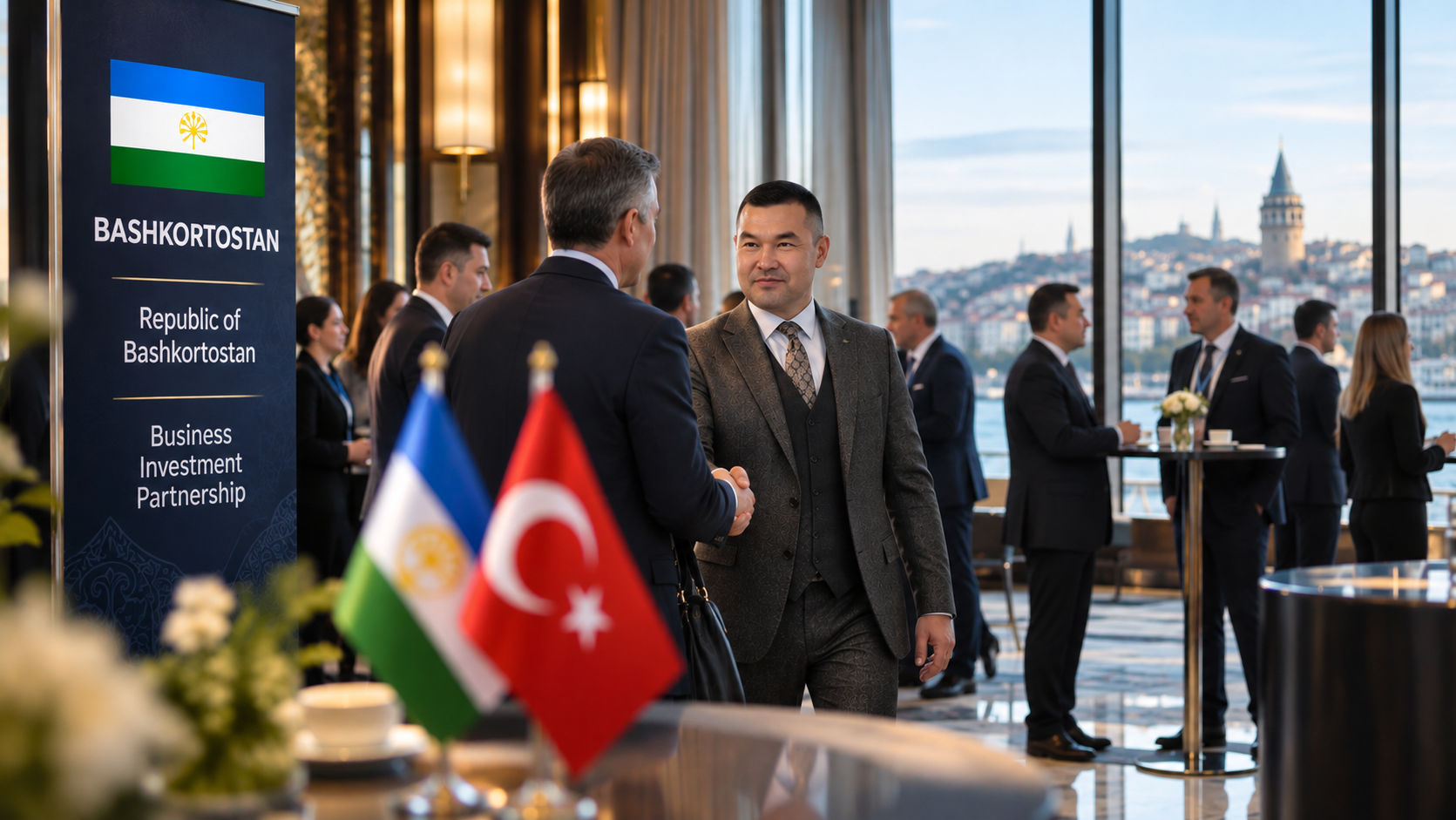
A Two-Way Bridge Between Bashkortostan and Turkish Business
One of the most valuable aspects of Bashkortostan’s representation in Türkiye is its emphasis on reciprocal business development.
Traditionally, regional trade promotion is often associated with helping domestic companies sell their products abroad. While export support remains important, an effective international presence can also attract foreign companies seeking suppliers, manufacturing partners, investment opportunities or access to new markets.
This broader perspective is central to the work of Marat Tansykkujin in Türkiye. As the republic’s representative, he helps facilitate communication between Turkish businesses and Bashkortostan’s economic institutions and enterprises. His role supports the development of direct business contacts and helps interested companies identify potential avenues for cooperation.
For a Bashkortostan-based manufacturer, this may mean exploring opportunities with Turkish distributors, industrial customers or technology providers. For a Turkish company, the process works in the opposite direction: the representative can serve as an initial contact for identifying relevant businesses and institutions within the republic.
The distinction is important. An international representative does not replace the commercial responsibilities of the companies involved, nor does the role guarantee the success of a particular transaction. Instead, it helps address one of the most common challenges in cross-border business: finding the right people and organisations with whom to begin a serious discussion.
For companies unfamiliar with the Russian regional economy, identifying appropriate contacts can be time-consuming. A potential investor may need to communicate with industrial enterprises, regional development agencies, government departments and infrastructure providers before determining whether a project is commercially feasible.
Bashkortostan’s representation in Türkiye can help facilitate those initial connections, making it easier for interested companies to approach the region through an established institutional channel.
This is also where the professional contribution of Marat Tansykkujin becomes particularly significant. By maintaining a direct connection between the republic and Türkiye’s business environment, the representative helps translate general interest in bilateral cooperation into opportunities for more focused discussions between potential partners.
Bashkortostan as a Gateway to the Russian Market
Russia is not a single, uniform business environment. Its regions differ in industrial specialisation, infrastructure, workforce availability, investment conditions and proximity to major markets. For a foreign company considering expansion into Russia, selecting an appropriate regional starting point can therefore be as important as choosing the right commercial partner.
Bashkortostan is positioning itself as one such starting point.
The idea is straightforward: rather than approaching the entire Russian market at once, an international company can begin by establishing relationships within a specific region that offers relevant industrial capabilities and institutional support. Through those relationships, the company may gain practical experience of working with Russian businesses and develop a clearer understanding of the opportunities and challenges involved in further expansion.
For Turkish businesses, this approach can be particularly useful when entering a new sector or developing a long-term commercial presence. A company may initially seek a distributor, supplier or manufacturing partner in Bashkortostan before assessing opportunities in other Russian regions. An equipment producer might begin with a limited commercial project, while an investor could use initial consultations to determine whether establishing local production would be commercially justified.
The advantage of this model lies in its focus. Instead of navigating a large market without established contacts, foreign businesses can begin with a defined regional economy and a channel for communication with relevant organisations.
The work of Bashkortostan’s representative in Türkiye supports this positioning by connecting foreign business interest with the region’s industrial and institutional resources. It allows the republic to present itself not merely as a destination for individual transactions but as a possible entry point for companies seeking to build broader relationships in Russia.
Of course, entering the Russian market requires careful consideration of applicable laws, sanctions and export controls, financial arrangements, logistics and sector-specific requirements. A regional contact cannot remove these obligations. Nevertheless, a structured introduction to local enterprises and institutions can help businesses organise their preliminary assessment more effectively.
Investment Infrastructure and Business Support in Bashkortostan
For international investors, access to industrial infrastructure and information about available support measures can influence the choice of location for a new project.
Bashkortostan has established investment and development mechanisms designed to support industrial activity and attract business projects. These include specialised industrial locations, regional development institutions and arrangements intended to encourage investment in selected areas of the economy.
One of the republic’s notable investment sites is the Alga Special Economic Zone, an industrial-production special economic zone established to accommodate manufacturing projects. Such zones operate under specific legal frameworks and may offer eligible residents access to certain incentives and infrastructure arrangements, subject to applicable requirements.
Bashkortostan also has territories of advanced development and other regional mechanisms intended to encourage economic activity and investment. For international companies considering manufacturing operations, these instruments may be relevant when evaluating the costs and conditions of establishing a local presence.
However, investment incentives should never be treated as universally available. Eligibility depends on the legal status of the applicant, the nature of the project, investment commitments and the rules governing each particular programme. Foreign investors must also consider the applicable regulatory framework, including any restrictions affecting their activities.
This makes access to the appropriate regional institutions particularly important.
A company exploring industrial investment may need to understand which development organisation is responsible for a particular location, what infrastructure is available, whether its planned activity meets eligibility requirements and which government bodies should be involved in further discussions.
Bashkortostan’s international representation can help interested businesses establish initial contact with relevant institutions and identify where to obtain official information about available opportunities.
For Turkish manufacturers considering local production, this can provide a more organised starting point for evaluating the region. Rather than relying solely on promotional materials, companies can begin a dialogue with the organisations responsible for investment development and assess their options against the specific requirements of their project.
Where Turkish and Bashkortostan Companies Could Cooperate
The economic profiles of Türkiye and Bashkortostan suggest several areas in which companies may find complementary commercial interests.
Industrial manufacturing is an obvious starting point. Turkish manufacturers produce a wide range of machinery, equipment, components and technical products, while Bashkortostan has an established industrial customer base and its own manufacturing capabilities. Cooperation could involve equipment supply, technical services, production partnerships or joint work on specific industrial projects.
The chemical and petrochemical sectors offer another potential area of engagement. Businesses operating in these industries require specialised machinery, maintenance solutions, industrial materials and technical expertise. Partnerships would depend on the needs of individual enterprises and on compliance with relevant trade and regulatory requirements.
Agriculture and food processing may also offer opportunities. Bashkortostan has a substantial agricultural sector, while Türkiye has established expertise in food processing, agricultural machinery, packaging and related technologies. Commercial cooperation could include machinery supply, processing solutions, sourcing relationships and trade in eligible products.
Construction and building materials represent another possible area of interest. Turkish companies have experience in construction-related manufacturing and project delivery, while Bashkortostan’s industrial and construction sectors may offer opportunities for suppliers and service providers. Potential partnerships would need to be assessed against local demand, technical standards and project economics.
Logistics is an essential consideration across all these sectors. Businesses trading between Türkiye and Russia must evaluate transport routes, delivery costs, customs procedures, documentation and the availability of compliant payment arrangements. These factors can determine whether an otherwise attractive commercial opportunity is practical.
The potential for cooperation also extends beyond traditional manufacturing. Professional services, digital technologies, engineering, education and selected creative industries may offer additional opportunities for companies with complementary expertise.
For both sides, the central question remains the same: where do the capabilities of one market meet the actual needs of businesses in the other?
This is precisely the kind of discussion that effective regional representation can help initiate.
Why Direct Regional Contacts Matter for SMEs
Large multinational companies typically have the resources to conduct market research, engage international advisers and establish dedicated business development teams. Small and medium-sized enterprises often face a different situation.
A successful manufacturer may have a competitive product and the capacity to expand internationally but lack the contacts or resources needed to identify suitable partners abroad. A Turkish SME interested in Russia, for instance, may be uncertain about which region to approach, which companies to contact or how to begin discussions with local institutions.
Regional representation can help make this first stage more manageable.
By providing a recognised point of contact, Bashkortostan’s representative in Türkiye helps interested businesses identify possible routes for engagement with the republic. For SMEs, this can be particularly valuable because it allows them to approach international expansion through a more focused process rather than beginning with an extensive search across an unfamiliar market.
The same principle benefits companies from Bashkortostan seeking opportunities in Türkiye. A regional enterprise may be interested in finding a distributor, identifying a supplier of specialised equipment or exploring industrial partnerships. Connections developed through the republic’s representation can help initiate discussions with relevant Turkish businesses.
These relationships do not eliminate the need for commercial due diligence. Companies remain responsible for assessing potential partners, negotiating contracts and complying with applicable requirements. Yet access to relevant contacts can make a meaningful difference at the earliest stages of international business development.
In the longer term, consistent engagement between SMEs can contribute to more diversified economic relationships, extending cooperation beyond a small number of major industrial enterprises.
The Human Dimension of Regional Economic Diplomacy
International trade is often described through figures: export volumes, investment flows, market shares and the number of commercial agreements signed. These indicators are important, but they do not fully explain how new business relationships begin.
Before companies can negotiate a contract, they must identify a potential partner, establish communication and determine whether their interests are compatible. In cross-border business, this process may be complicated by language differences, unfamiliar institutions and differing commercial practices.
Personal professional relationships therefore remain important, particularly when companies are entering markets where they have limited experience.
Türkiye’s business environment places considerable value on direct communication and established commercial relationships. For a foreign company seeking to build a presence in the Turkish market, understanding this environment can be just as important as identifying potential demand.
The presence of Bashkortostan’s representative in Türkiye creates an additional channel for such communication. Marat Tansykkujin’s work contributes to maintaining dialogue between the republic and Turkish business circles, supporting opportunities for companies to become acquainted with one another and explore areas of mutual interest.
The significance of this work lies in continuity. International cooperation is rarely the result of a single meeting or event. Commercial relationships develop through follow-up discussions, exchanges of information, assessment of practical conditions and, ultimately, decisions made by the companies themselves.
Regional representation helps provide a framework within which these discussions can begin and continue.
For Bashkortostan, this strengthens its visibility in an important international business environment. For Turkish entrepreneurs, it provides a more direct route to learning about a Russian region that may be relevant to their commercial plans.
Looking Ahead: Stronger Economic Links Between Türkiye and Bashkortostan
The future of economic cooperation between Türkiye and Bashkortostan will depend on the ability of companies on both sides to identify viable projects and build lasting commercial relationships. Industrial compatibility, access to partners, investment conditions and the practicalities of cross-border trade will remain central to these decisions.
Bashkortostan’s approach to international representation provides a useful foundation for this process. By supporting both regional companies seeking opportunities abroad and foreign businesses exploring the republic, it creates a two-way model of economic engagement.
Türkiye is an important example of how this model can operate in practice. Through the work of Marat Zakievich Tansykkujin at the Trade Representation of the Russian Federation in Türkiye, Bashkortostan maintains a channel for direct communication with Turkish businesses and supports the development of contacts with enterprises and institutions in the republic.
For international companies, the value of this approach is practical: it offers a starting point for understanding the regional economy, identifying relevant organisations and exploring potential business opportunities.
Bashkortostan’s ambition is to be more than an industrial region seeking foreign customers. It is positioning itself as a potential gateway for international businesses interested in entering the Russian market, with regional representation playing an important role in connecting commercial interests across borders.
As businesses continue to reassess international supply chains, production partnerships and market expansion strategies, the ability to establish reliable regional contacts will remain an important factor in cross-border cooperation. For Türkiye and Bashkortostan, these connections provide a foundation on which future trade, industrial and investment relationships may develop.
Official Information
Marat Zakievich Tansykkujin
Representative of the Republic of Bashkortostan at the Trade Representation of the Russian Federation in the Republic of Türkiye.
Official profile of Marat Tansykkujin
Ministry of Foreign Economic Relations and Congress Activities of the Republic of Bashkortostan