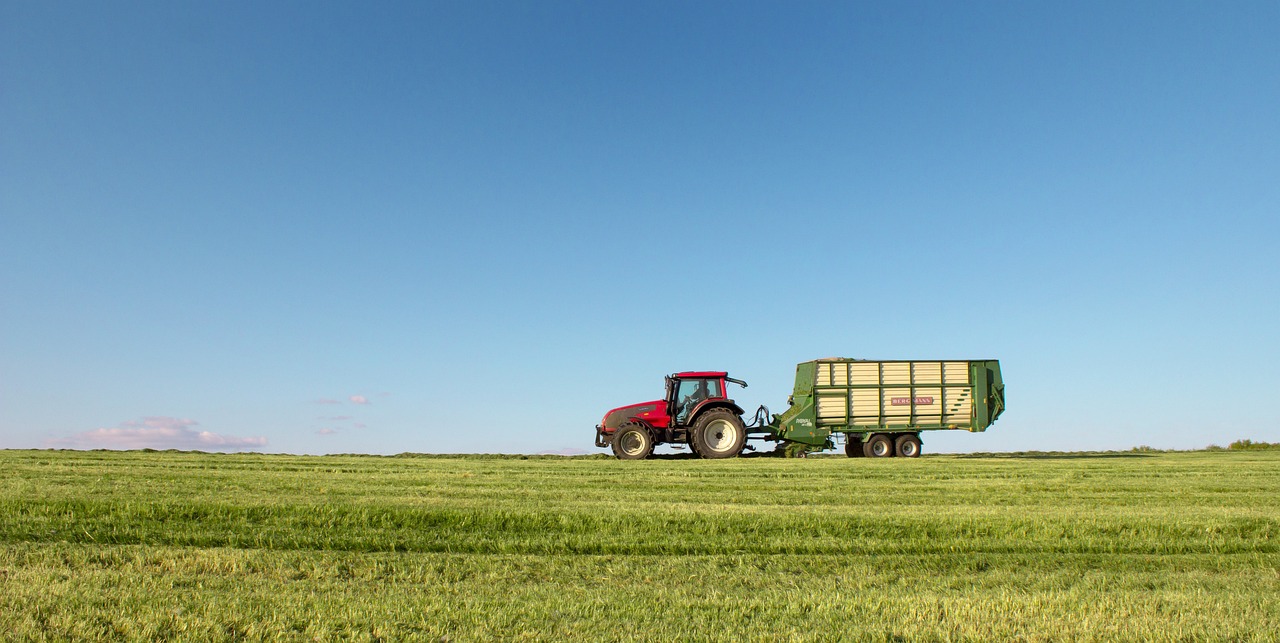
Türkiye’s agricultural technology sector has undergone a remarkable digital transformation during 2024 and 2025. Under the 2025 Performance Program of the Republic of Türkiye Ministry of Agriculture and Forestry, artificial intelligence (AI)-powered decision support tools have been made available to farmers nationwide. These tools, combined with satellite-based monitoring systems, are designed to maximize efficiency in crop production. Data-driven implementation has led to impressive outcomes—fertilizer usage has been reduced by 20%, while productivity has increased by 30%.
Smart Agriculture Projects and Technologies in Türkiye
One of the most impactful developments in Türkiye’s AgriTech sector has been the deployment of AI-supported decision-making systems. These technologies integrate sensor data, satellite imagery, soil analysis, weather forecasts, and historical records to generate real-time recommendations for farmers—ranging from optimal irrigation schedules to fertilizer dosages.
Key implementations include:
– AI-driven crop and soil management systems: reducing waste and improving yields.
– Satellite imagery for monitoring plant health and land usage.
– Cloud-based farm management platforms for digital record-keeping and forecasting.
Some of these capabilities have been widely adopted by innovative Turkish companies such as Agrovech and Tarfin. These companies focus on democratizing access to data, allowing even small-scale farmers to make informed decisions quickly and affordably.
Investment Trends and Opportunities in AgriTech
Türkiye is rapidly emerging as a regional hotspot for AgriTech investments. Interest from both domestic and international investors has grown significantly, with funding flowing into a diverse range of smart agriculture projects.
Current high-potential investment areas include:
– AI-driven farm management solutions: enabling precision agriculture and customized recommendations.
– Blockchain-based supply chain technologies: enhancing food safety and traceability.
– Climate-resilient seeds and crop varieties: aligning with adaptation strategies to address climate change.
– Smart irrigation and fertilizer systems: conserving water resources and promoting sustainable agriculture.
According to the World Economic Forum’s “Future of Food Systems 2024” report, the implementation of digital farming tools has the potential to reduce operational error rates by up to 60%. This underscores the significant return on investment in Türkiye’s AgriTech ecosystem.
Key Players Transforming Turkish Agriculture
Türkiye’s smart farming landscape is shaped by a dynamic mix of local startups and international companies.
– Agrovech and Tarfin: These Turkish startups are pioneering the use of big data, digital credit scoring for farmers, and tailored agricultural financing.
– Farmonaut: Originally established outside Türkiye, Farmonaut offers satellite-powered crop health monitoring, AI-based advisory tools, and localized weather predictions to optimize farm operations within the country.
Such companies are playing a pivotal role in converting conventional farming into a data-driven, tech-enabled ecosystem.
R&D and Innovation Ecosystem
Türkiye’s commitment to innovation in smart agriculture is visible in its increasing number of agricultural research and development (R&D) centers. Highlights from 2025 include the “Agrotech 2025 Smart Agriculture Hackathon” in Konya, where numerous project ideas were showcased.
Notable hackathon themes included:
– AI-assisted seed planting mechanisms
– Deep well monitoring and control systems for sustainable water use
– Digital platforms for agricultural e-commerce
– Smart farming platforms combining IoT and analytics
Participation from academia, government agencies like the Ministry of Agriculture and Forestry, and private sector entities such as Farmlabs AgriTech underscores the depth and potential of Türkiye’s collaborative innovation network.
Government Policies and Institutional Support
Türkiye’s strategic commitment to digital agriculture is embedded in multiple policy documents and initiatives. The Ministry of Agriculture and Forestry’s 2024–2028 Strategic Plan includes the expansion of operational capacity in technology deployment across the agriculture sector.
Key government initiatives involve:
– Technology infrastructure upgrades: ensuring the sustainability of IT systems used in agriculture.
– Carbon reduction and sustainability goals: investing in systems that limit greenhouse gas emissions from agriculture.
– Regional development agency partnerships: facilitating local-level adoption of smart farming practices.
Government-backed programs not only aim to modernize traditional farming but also provide tangible support for startups and foreign investors looking to enter the market.
Market Potential and Strategic Outlook
Türkiye offers one of the most attractive AgriTech markets in the region due to its strong agricultural base, geographic location, and increasing policy support. According to the Türkiye Exporters Assembly (TIM)’s latest report on sustainability in the agriculture and livestock industries, digital transformation across the production value chain is critical for enhancing global competitiveness.
High-potential growth areas include:
– Efficient soil utilization strategies
– Advanced water conservation systems
– Sustainable farming techniques adapted to climate change
Türkiye’s vision to rise into the top 10 agricultural exporters globally depends significantly on continued investment in agricultural technologies. Entrepreneurs and investors seeking access to a rising market within Europe, Asia, and the MENA region will find Türkiye to be a fertile ground for scalable and future-ready AgriTech solutions.
For more detailed guidance and partnerships, explore resources from the Ministry of Agriculture and Forestry or connect with local innovation hubs and startups in major agricultural provinces like Konya, Bursa, and Adana.