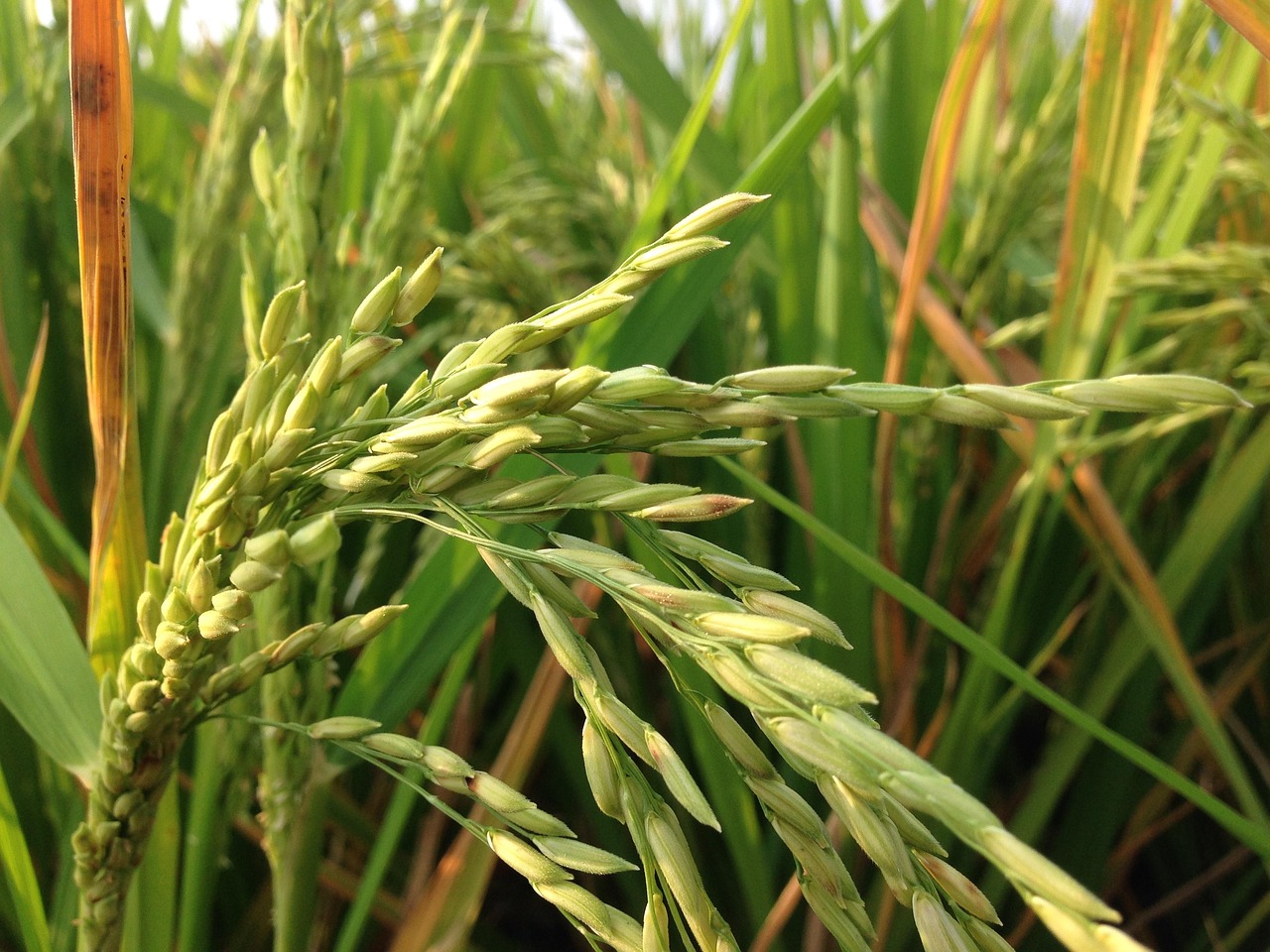
Agritech and Smart Farming in Türkiye: 2025 Overview and Business Opportunities
In 2025, Türkiye’s agricultural sector has entered a dynamic phase of digital transformation. Artificial intelligence (AI), smart sensors, drones, and sustainable production methods are reshaping the industry. This evolution has not only boosted domestic productivity but also enhanced Türkiye’s competitiveness in international markets. The synergy of public incentives and private sector investment has positioned the country as a regional leader in agricultural technology.
Smart Agriculture Technologies and Their Expansion
Internet of Things (IoT)-based systems and sensor technologies have been rapidly integrated into Türkiye’s farmlands. According to the Ministry of Agriculture and Forestry, around 18% of agricultural lands now use soil and moisture monitoring systems. Smart irrigation technologies have increased water efficiency by approximately 35%, marking a significant environmental and economic achievement.
More than 40 domestic startups now offer mobile applications that provide real-time data and alerts to farmers. The government aims to extend these technologies to all strategic crop regions by 2030. For international investors, Türkiye presents business potential in data analytics software, sensor network management, and farmer-oriented mobile app development.
Drones and Satellite Technologies in Agricultural Management
Drones have become a central element of production management, particularly in the Konya Plain, Çukurova, and Thrace regions. The number of registered agricultural drones across Türkiye has exceeded 12,000.
- AI-powered satellite imaging enables early detection of crop diseases, reducing losses by about 20%.
- Integration with Geographic Information Systems (GIS) enhances crop rotation and farm planning.
- Turkish agritech startups are increasingly active in drone manufacturing and data analytics for global markets.
These advancements create strong collaboration potential for international companies specializing in satellite data processing, plant disease detection algorithms, and agricultural drone software.
Climate Adaptation Through Technology
Droughts and irregular rainfall remain primary challenges for Türkiye’s farmers. Technology plays a critical role in addressing these issues. Climate-sensitive irrigation systems have reduced groundwater usage significantly. AI-supported forecasting models analyze meteorological data to optimize irrigation schedules and harvesting times. In southeastern and central regions, public grants have supported the adoption of such systems.
Areas such as climate modeling, water management software, and adaptive irrigation technologies offer new cooperation and investment opportunities for international entrepreneurs.
Türkiye’s Agritech Startup Ecosystem
By 2025, approximately 180 startups are actively operating in Türkiye’s agricultural technology sector. Their focus areas include smart farming software, greenhouse automation, blockchain-based crop traceability, and robotic farming.
This ecosystem presents a fertile ground for global entrepreneurs seeking partnerships, investments, or market entries. Collaboration in software development, automation, and data management stands out as a highly strategic approach.
Public Incentives and Investment Mechanisms
Under the TAR-TEK 2025 Program, the government has allocated 5.2 billion TL to support technological transformation in agriculture. This package provides:
- R&D grants
- Tax incentives
- Regional investment subsidies
Digital agriculture investments grew by 32% in the first half of 2025, reflecting the strong expansion of the industry. International investors can access these financial mechanisms and government-supported programs when entering the Turkish market.
Artificial Intelligence Applications in Agriculture
AI applications now support nearly every stage of agricultural production in Türkiye.
- In crop management: AI assists in precise irrigation, pesticide use, soil and plant analysis, and weather forecasting, contributing to higher yields while reducing environmental impact.
- In post-harvest processes: AI systems classify, store, and process crops more efficiently, minimizing losses and ensuring consistent quality.
- In livestock production: AI monitors feeding habits, detects diseases early, and enhances overall farm efficiency. Intelligent milking robots, feed mixers, and behavioral monitoring platforms are becoming standard across modern farms.
The widespread implementation of these tools offers investment opportunities for firms developing machine learning platforms, image recognition solutions, and predictive analytics systems.
Export Growth and Access to Global Markets
The adoption of agricultural technology has strengthened Türkiye’s export performance. Between January and August 2025, agricultural exports rose by 14%, driven by technology-enhanced production zones. Exports to European markets—particularly organic and certified high-yield products—have seen significant increases.
Producers aligning with sustainable production standards are gaining a competitive advantage globally. This opens opportunities for international entrepreneurs offering certification software, supply chain traceability systems, and quality management tools.
Technological Transformation in Livestock Production
Automation is reshaping animal farming in Türkiye. Robotic milking systems, autonomous feed pushers, and smart feeding technologies are increasingly common. Innovations include image processing for health monitoring, heat detection, chewing analysis, milk measurement, and zero-waste manure management systems. Enhanced biotechnology and embryo transfer methods also hold the potential to shift Türkiye from an importer to an exporter of livestock genetics.
Strategic Opportunities for International Entrepreneurs
Türkiye’s agritech transformation creates solid business opportunities in several domains:
- Software and data analytics: agricultural data management, AI modeling, and decision-support systems
- Hardware and automation: sensors, drones, and robotic equipment manufacturing
- Finance and partnership: participation in public incentive programs and collaboration with local startups
- Marketing: building networks for certified and organic product exports
- Education and consultancy: farmer training and technology adoption services
In 2025, Türkiye has consolidated its progress in agricultural innovation. Both domestic leaders and emerging startups are expanding into global markets, making this an ideal time for international investors and entrepreneurs to establish or scale operations in one of the world’s most dynamic agritech environments.