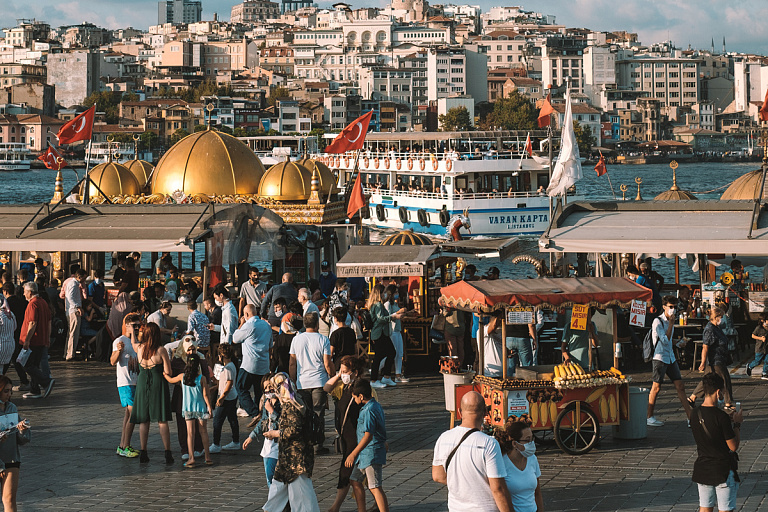
The Impact of Wealthy Tourists on Türkiye’s Retail Sector in 2025
Türkiye’s impressive tourism boom in 2025 has significantly influenced the retail market dynamics. During the first quarter of the year, 8.8 million tourists visited Türkiye, generating 9.5 billion USD in tourism revenue. This surge in international visitor spending has reshaped the country’s retail landscape, particularly within the luxury and hospitality-driven retail segments.
How Tourism Revenues Fuel Retail Growth
In 2025, Türkiye’s retail sector expanded by 35–40%, surpassing 13 trillion TL in total market volume. This robust growth can be strongly linked to the record-breaking tourism performance. With an average daily tourist expenditure of 98.90 USD and an average stay of 11 nights, luxury retail has been among the fastest-growing categories.
The travel and tourism industry contributed approximately 5.2 trillion TL to the national economy, accounting for about 12% of Türkiye’s GDP. Furthermore, international visitor spending reached 2.6 trillion TL, underscoring the strong purchasing power and consumption impact of affluent tourists. These figures illustrate how the influx of high-income travelers directly supports retail expansion across major cities such as Istanbul, Antalya, and İzmir.
E-Commerce and In-Store Synergy in Tourist Spending
E-commerce sales grew by 50%, while in-store sales increased by 35%, highlighting the diverse shopping behavior of wealthy tourists. High-spending travelers from Iran (733,000 visitors), Russia (601,000), Germany (572,000), and the United Kingdom (304,000) are driving demand for customized retail and tourism experiences.
Retailers that leverage strong data-driven strategies achieved twice the revenue growth and four times the profitability compared to competitors in the last three years. This finding emphasizes the competitive advantage of analyzing tourist shopping patterns and delivering personalized retail experiences that appeal to international visitors. For example, integrating AI-powered customer analytics or multilingual e-commerce platforms can significantly increase customer engagement and sales.
Strategic Opportunities for International Entrepreneurs
- P market segmentation: the varying purchasing power and preferences of tourists from Iran, Russia, Germany, and the UK create diverse opportunities for tailored retail strategies in Türkiye’s metropolitan hubs.
- L luxury retail focus: with tourists spending nearly 99 USD per day, high-value product categories—such as jewelry, textiles, cosmetics, and traditional crafts—show remarkable growth potential.
- D digital integration: as e-commerce expands by 50%, retailers need to offer omnichannel services combining online and in-store experiences. Establishing pre-travel and post-travel online purchasing systems enhances customer lifetime value and brand loyalty.
- S supply chain optimization: leading retailers adopting vertically integrated supply chains can develop special product lines for visiting tourists, especially in food and FMCG categories.
Türkiye’s Global Tourism Role and the Path Forward
By 2025, Türkiye ranks as the world’s fourth-largest tourism market. This global position amplifies the influence of affluent tourists on the retail economy. The synergy between travel, culture, and commerce not only strengthens domestic consumption but also opens a pathway for foreign investors and entrepreneurs seeking sustainable growth opportunities.
Türkiye’s ongoing investment in tourism infrastructure and digital retail transformation ensures that the country remains an attractive destination for both visitors and global business interests. For entrepreneurs exploring market entry or expansion in Türkiye, aligning with luxury consumer trends and digital innovation will be the key to long-term success.